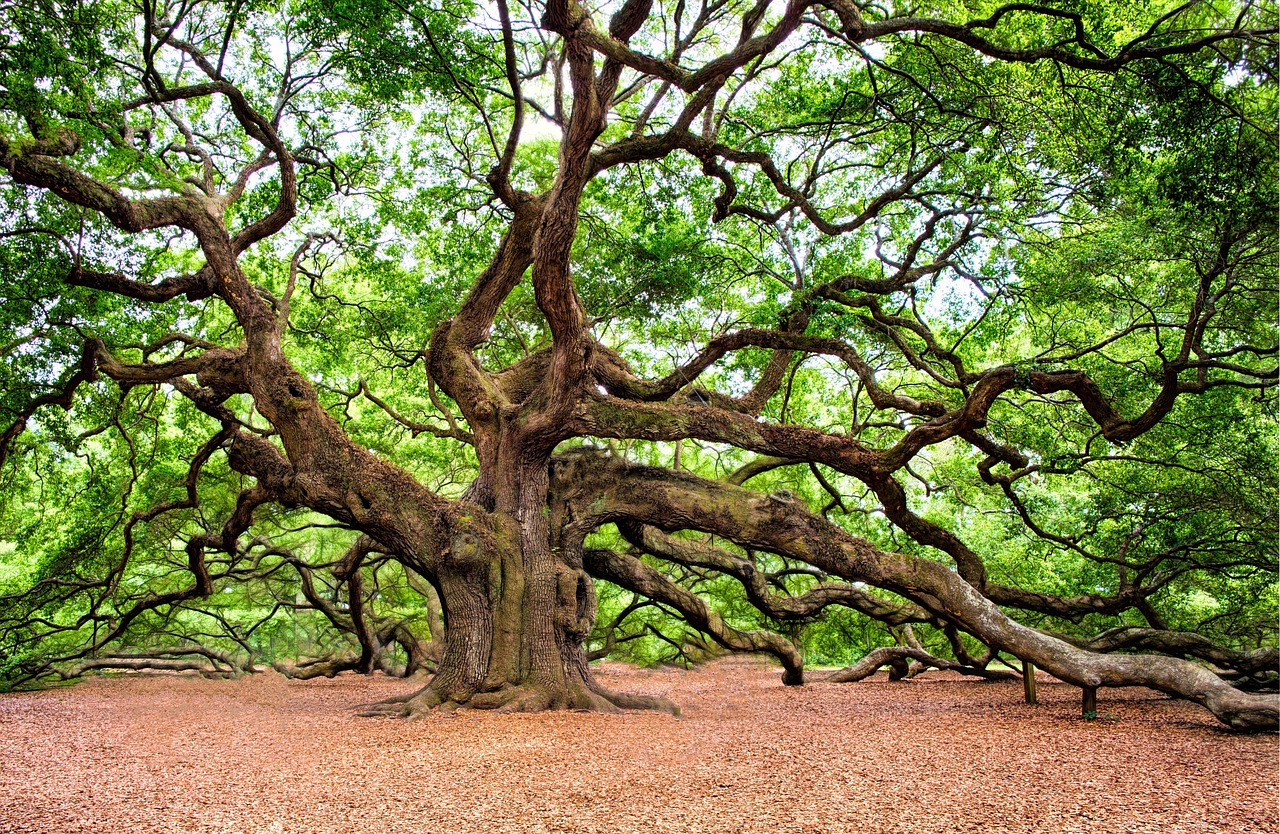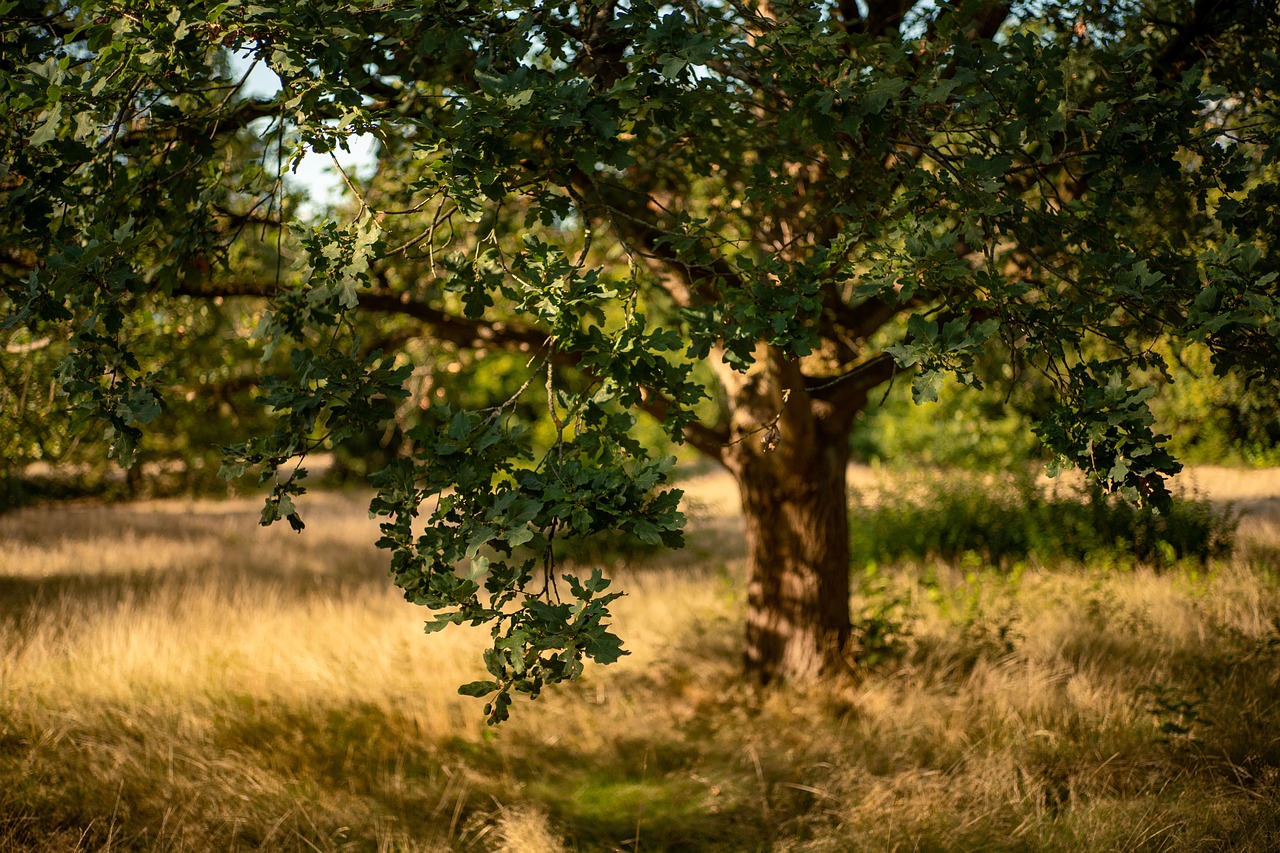
Tree service in Walnut Creek, CA means pruning, taking down and grinding out residential trees so they stay healthy, safe and fire-wise across one of the East Bay’s leafiest cities. It’s for Walnut Creek homeowners caring for native oaks, hillside trees and mature yard trees, from Northgate and Walnut Heights to the neighborhoods near Shell Ridge and Lime Ridge Open Space. We prune canopies with the tree’s long-term health in mind, remove trees that have become hazards and clear old stumps. The outcome is a property that’s safer through fire season and better looking year-round.
Tree Work We Do in Walnut Creek
Three services make up most of our work here. Each has its own page with the specifics.
- Tree trimming: structural and clearance pruning, dead wood removal and fire-season limbing for oaks, pines and ornamental trees.
- Tree removal: taking down dead, beetle-killed, failing or unwanted trees, including on slopes and close to homes.
- Stump grinding: grinding stumps below the soil so the ground can be replanted, landscaped or terraced.
We also provide cabling and bracing for heavy oak limbs, disease control, storm response, young-tree pruning and brush and land clearing. Many hillside jobs combine pruning with clearing the brush beneath the trees.
Living Among Native Oaks
Walnut Creek grew up around its oaks, and many homes sit beneath valley oaks, coast live oaks and blue oaks that are older than the houses. These trees are part of what makes the city attractive, and the City protects many of them through its tree preservation rules. That makes oak care a little different from other tree work:
- Permits may apply. Removing or heavily pruning a protected tree can require City approval, so check before you schedule.
- Less is more when pruning. Oaks respond poorly to heavy cuts. Removing dead wood, weak limbs and clearance problems is usually enough.
- Summer water is a risk. Lawns and sprinklers under an established oak keep the root zone wet in warm weather, which encourages root and crown rot.
- Root zones need room. Trenching, paving and grade changes under the canopy can damage roots and lead to decline years later.
Treating an oak well usually means doing less, but doing it carefully.
It also means thinking ahead before any project near the tree. A new patio, retaining wall, pool or irrigation line inside the canopy’s drip line can cut or smother roots the tree depends on. If you are planning work near a large oak, it is worth having the tree looked at first so the design can keep construction away from the most important roots.
Fire Season and Defensible Space
Much of Walnut Creek borders open space, and the summers are long, hot and dry. Homes near Shell Ridge, Lime Ridge and Acalanes Ridge sit in or near the wildland-urban interface, where state law and the local fire district expect homeowners to maintain defensible space.
For trees, that usually means:
- Cutting out dead wood and dead trees that would burn readily.
- Raising low branches so ground fire can’t climb into the canopy.
- Keeping limbs back from roofs, decks and chimneys.
- Thinning brush and small trees beneath larger ones.
Defensible-space work and tree preservation rules sometimes pull in different directions, so it pays to plan the work so it satisfies both.
Hillsides, Slopes and Access
Walnut Creek’s terrain ranges from flat lots near downtown to steep yards in the hills. On sloped properties, trucks and lifts often can’t get close, so climbing is the main way trees are pruned or removed. Crews plan landing zones so cut wood doesn’t roll toward a house or road, and they move gear by hand where needed. Slope, footing and the distance to the street all shape the plan and the time a job takes.
Hillside work also affects what happens to the wood. On some properties logs are cut into short rounds and stacked across the slope, where they help slow runoff, while brush is chipped and spread. On others everything is carried up to the street and hauled. We agree on that before the work day, so there are no surprises.
Common Tree Problems in the Area
- Pines browning from drought stress and bark beetles, which can kill a weakened tree quickly.
- Heavy oak limbs extending far over roofs and driveways, sometimes needing cabling or reduction.
- Eucalyptus dropping large limbs and building up flammable bark and litter.
- Redwoods planted on hot, dry sites showing thin, browning crowns.
- Sycamores and plane trees losing leaves to spring leaf blight in wet springs.
- Fruit trees in older backyards left unpruned until branches tangle and split under the weight of a heavy crop.
Most of these problems are easier and less costly to deal with when caught early. A tree that is starting to brown or drop limbs is worth a look before it becomes an emergency.
What a Typical Job Looks Like
- Get in touch and tell us which trees are concerning you and why.
- Free site visit to look at the trees, the slope, access and any protected species.
- Written quote describing the pruning or removal, cleanup and any permit steps.
- Work day, with climbing and rigging as needed and care taken around structures.
- Cleanup, with brush chipped, wood removed or stacked and the area raked.
Questions Worth Asking Any Tree Service
- Do they understand oaks? Ask how they would prune yours and what they would avoid.
- Have they checked whether a permit is needed? Protected trees should be confirmed before work starts.
- How will they handle the slope? Ask where wood will land and how it leaves the property.
- Is the quote specific? It should state cleanup, chipping and what happens to logs.
- Can they document coverage? Requesting insurance paperwork before work starts is reasonable with any company.
Where We Work
Our service area covers Walnut Creek neighborhoods including Northgate, Rossmoor, Parkmead and Walnut Heights, plus Saranap, Lafayette, Pleasant Hill, Alamo, Concord and Clayton. Call if you’re unsure whether your address is included. Properties in the hills above Northgate, along the edges of the open space and in older downtown-area neighborhoods each bring different trees and access, and we plan for each one individually.